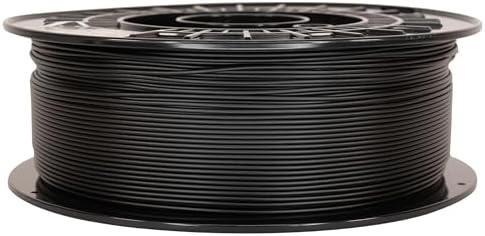
3D-Fuel Tough Pro PCTG Filament for 3D Printing, 1KG | 1.75mm Spool, Midnight Black
Compare all 46 3D-Fuel PCTG 1kg listings →
Is this a good price? Every Thursday we email the cheapest price per kg for each major material, plus our best buy of the week.
Product Details
- TOUGH AND STRONG: Pro PCTG is designed for your most demanding projects but prints smoothly and without fuss making it perfect for quick jobs. It's tougher and more chemically resistant than PETG.
- COMPATIBLE WITH ALL 3D PRINTERS with ALL METAL HOTEND: Tough Pro PCTG filament requires hot-end temperatures of 250 - 270C and a heated bed temp of 70C for the best printing results.
- VACUUM SEALED: Each spool is vacuum packed and includes a dessicant packet to help keep your filament dry. PCTG is less moisture sensitive than PETG, but a properly-sealed spool is still important.
- MADE IN THE USA: Our filament is made in the USA including a US sales and support team. No fillers are ever used, ensuring you are printing with the best filament.
- TEXTURE AND FINISH: Pro PCTG has a glossy finish once printed. Surface finish can be affected by printing temperature, layer height, and print speed.
From the listing on Amazon.
View our other 3D-Fuel listings here.
View our other PCTG listings here.
Keep your filament dry, view our gear here.
Printing 3D-Fuel PCTG
3D-Fuel PCTG in Black runs on the PCTG profile below, and this listing is a 1kg spool. PCTG is best suited to tough, clear functional parts that need more impact resistance than PETG. Brands and even individual spools vary, so treat these as starting points and run a quick temperature tower to lock in the sweet spot for your printer.
Ranges checked against Fiberlogy, 3D-Fuel and Essentium data. Heat resistance is the heat deflection temperature (HDT). Read our PCTG filament guide for bed adhesion, drying, troubleshooting, and material-specific tips.
Nozzle Compatibility
This is an unfilled plastic, so it is not abrasive: a brass nozzle works and lasts, and so does hardened steel. With hardened steel, print about 5 to 10°C hotter.
Based on Prusa guidance. More in our nozzle types guide.